
Crossing a round number is a moment worth pausing on, but only briefly. For InRento, reaching EUR 100 million in total funded real estate projects is less a finish line and more a useful checkpoint: an opportunity to look at what the number actually reflects and what it demands of us going forward.
It Took Five Years to Build the First Half – and Less Than One to Build the Second
The first EUR 50 million milestone required more than five years of careful, project-by-project work. The second EUR 50 million followed in under twelve months.
That acceleration was not the result of loosening standards or chasing volume for its own sake. It came from two compounding factors: expanding into new European markets and an investor base that had grown more confident, more active, and more deliberate about geographic diversification.
Investors increasingly want exposure across multiple markets rather than concentrating in a single country. Broader geographic access directly serves that need, and our European expansion has been as much about the quality of the offering as about scale.
A Platform Built on Conversions, Not New Builds
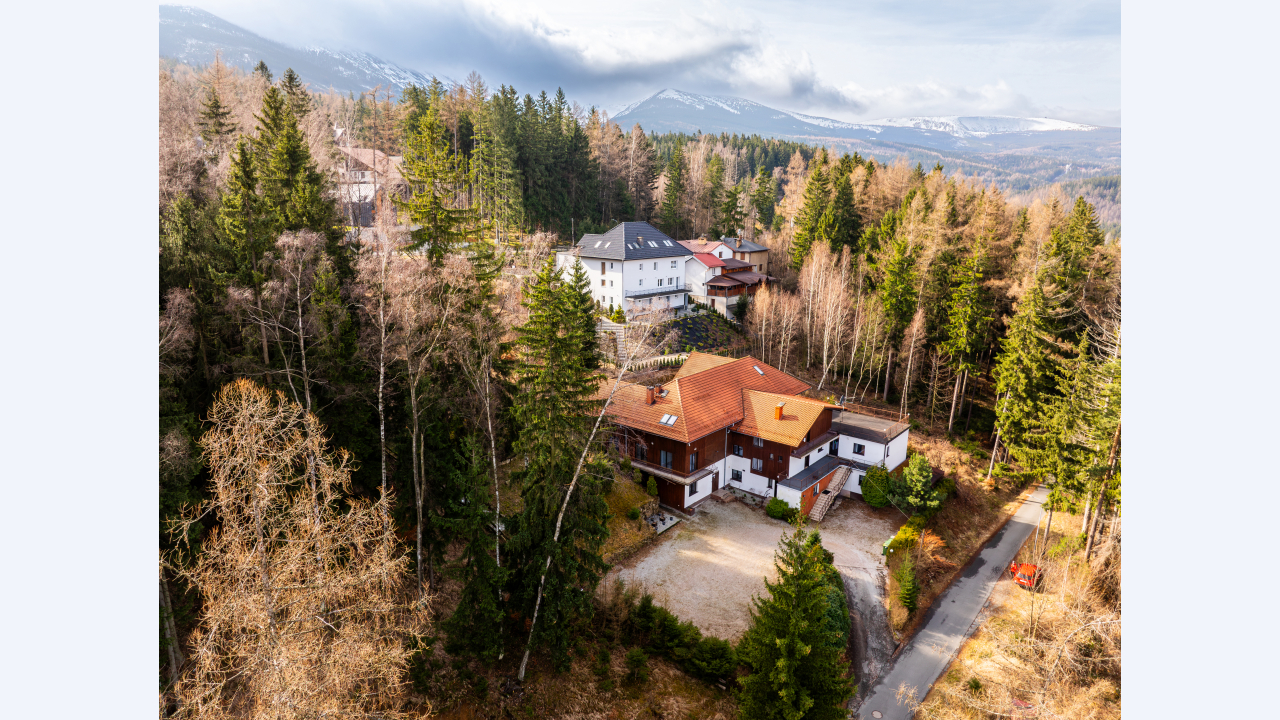
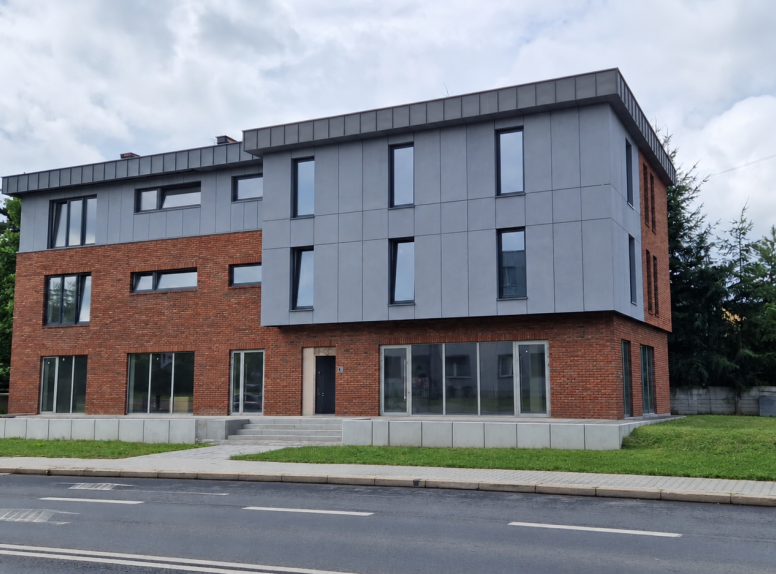
One of the less obvious reasons our portfolio has performed the way it has is the type of project we choose to fund. InRento backs the conversion, renovation, and repurposing of existing buildings, and that is a deliberate, strategic choice.
Conversion projects tend to have shorter, more predictable timelines than new construction. When a building already exists, much of the early uncertainty has already been resolved: the asset is real, the structural risks are known, and the path from acquisition to completion is shorter. In an environment where construction costs, financing rates, and permitting timelines have all become less forgiving, that predictability carries real value for investors.
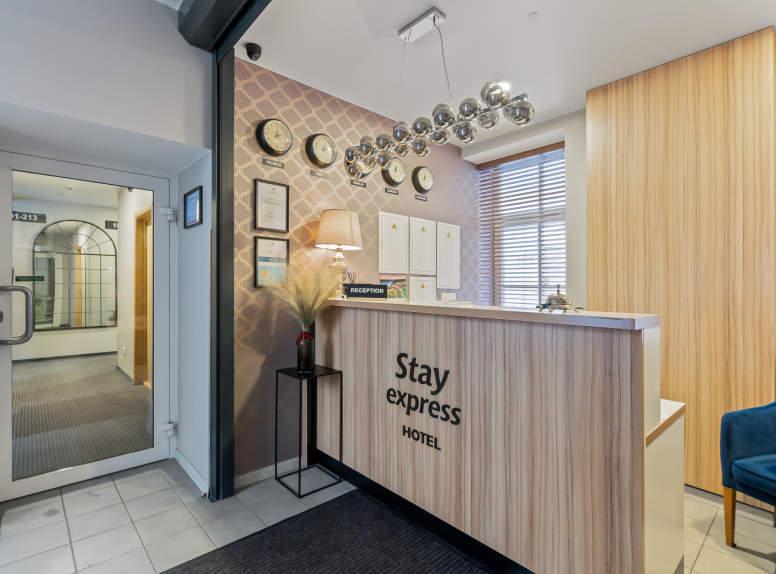
We are also seeing this preference reflected in new markets. As InRento has expanded, the appetite for well-underwritten conversion and renovation projects, particularly in the hospitality segment, has proven consistent across geographies. The fundamentals that make a conversion attractive in Lithuania tend to translate to Finland, Romania, Poland, Italy, Latvia, Ireland, and Spain.
The Numbers That Matter More Than EUR 100M
To us, other numbers matter even more:
EUR 30.13 million in capital returned to investors;
EUR 9.74 million paid out in investor profit;
0% - the rate of defaulted projects;
99% of completed projects were repaid earlier than planned;
20 months is the average project duration;
4,788 active investors and the team behind every single one of them.
That last figure is worth dwelling on. The EUR 100 million did not move on its own. Behind it, there are people who decided to put real money into real buildings across Europe: some diversifying a broader portfolio, others making their first foray into real estate investment.
Then, there is the InRento team: people who stress-test every project before it ever reaches the platform, and people who make sure the regulatory framework that protects investors is never treated as a box-ticking exercise.
Together, these figures describe something more important than how much has been funded.
What Comes Next
Sustainable real estate conversion is not a niche trend. Across Europe, the economics increasingly favour retrofitting and repurposing over building from scratch. Regulatory pressure, energy efficiency requirements, and the simple cost arithmetic of new construction are all pointing in the same direction.
InRento intends to stay firmly in that space. Not because it is a compelling marketing angle, but because it is the model that has produced consistent, measurable results for investors over the past five years.
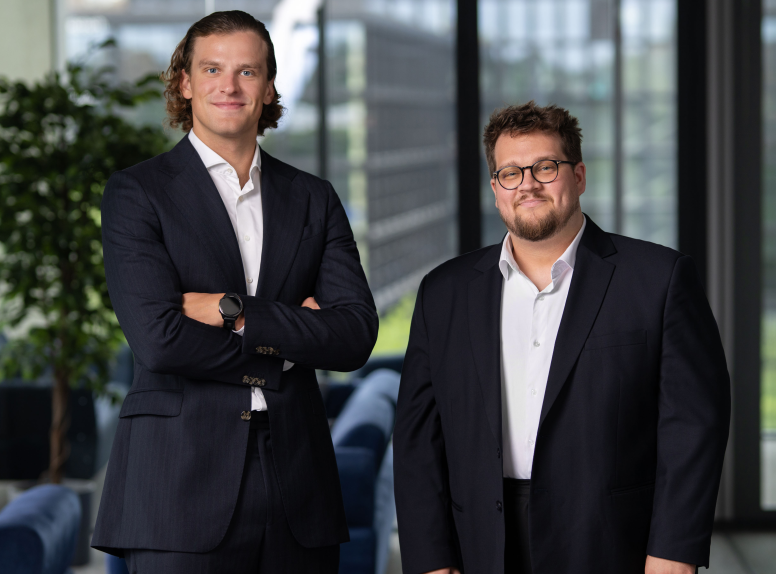
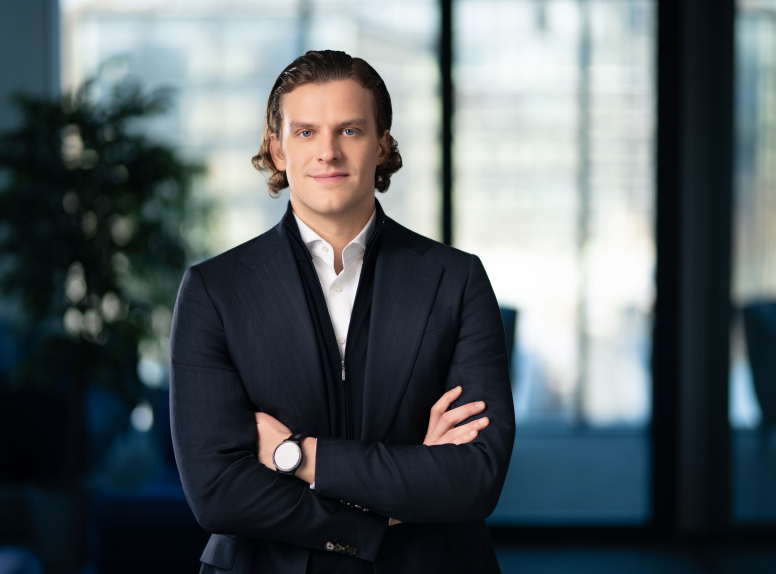
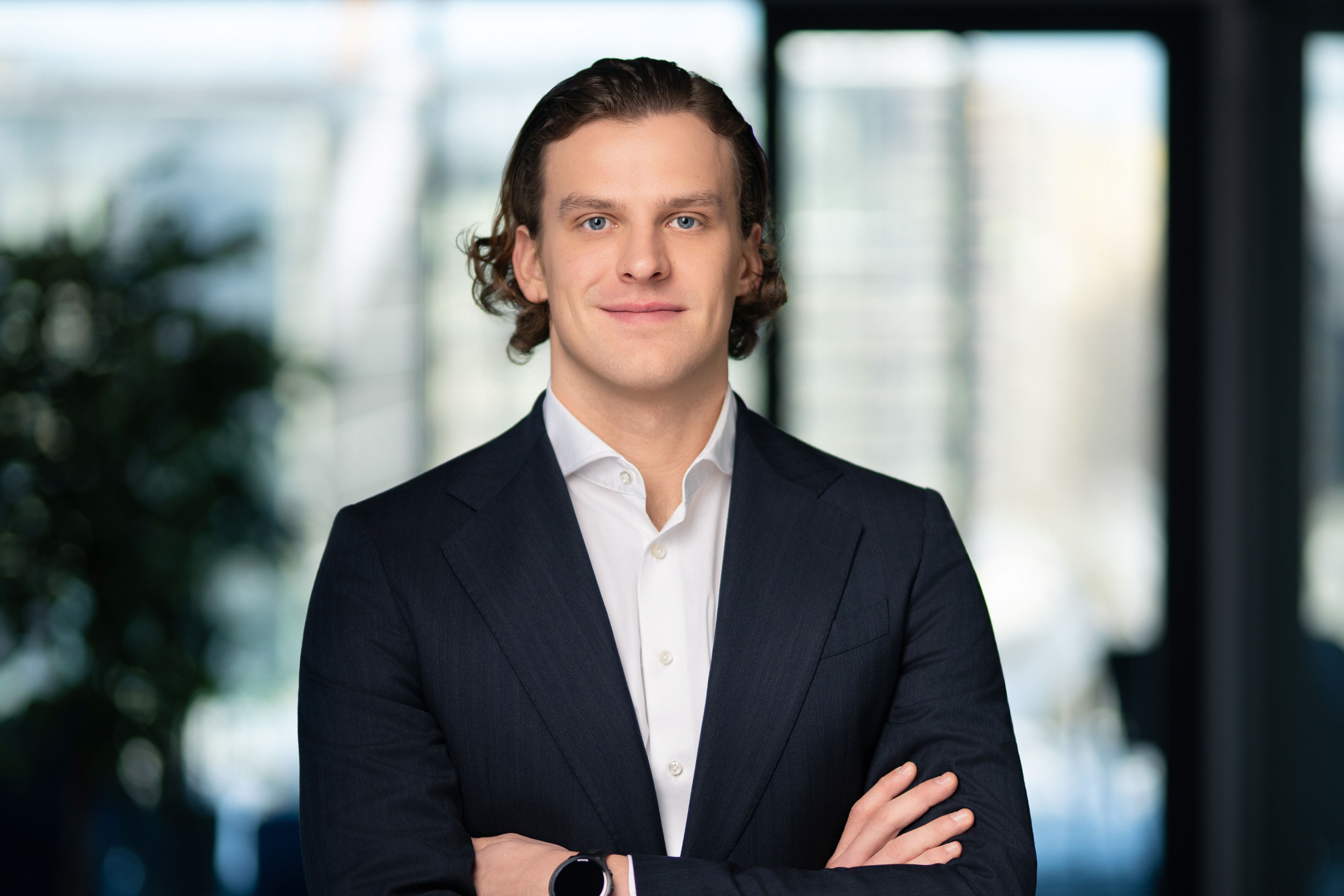
“We focus relentlessly on the few things that matter most to clients and continuously improve them. Most progress is incremental, so you do not notice dramatic changes day to day. But over months and years, those small improvements compound into significant growth,” says Gustas Germanavicius, founder of InRento.
Reaching EUR 100 million is a meaningful marker. What it represents, though, is not an outcome; it is the foundation on which the next stage gets built.